
A new protagonist
Today a new protagonist has appeared: the intelligent agent.
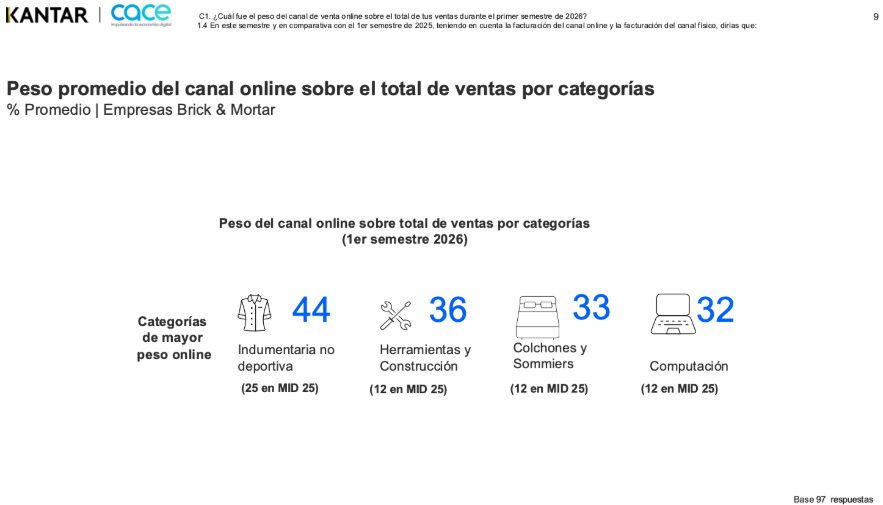
Software capable of browsing websites, comparing products, evaluating alternatives, filling out forms, and completing a purchase following a customer's instructions is reinventing the art of commerce.
Like any living thing, the art of trade had its edenic infancy in Barter; it ran, a wandering child, along the Trade Routes; it arrived enraptured at the Agora, where merchants and artisans wrote the first rules of exchange; and it entered adolescence at the hand of the Industrial Revolution, which demanded it become a retailer. Today it looks in the mirror and sees, staring back, the image of an autonomous digital agent.
The pain of teenage retail is the fear of losing its own face while surviving thin margins, instant comparison, and the risk of becoming a storefront indistinguishable from every other. This is where the digital agent, properly understood, doesn't flatten everything into sameness — it translates, the way a merchant recognizes a longtime customer, without losing each brand's accent. And it knows it's constantly changing.
The question is no longer just how a person buys. The question is how an artificial intelligence buys.
To answer it, it helps to remember something much older. Buying is conversing. It has been since the very origins of civilization.
A very old conversation
Markets were always much more than places to exchange goods. They were spaces of dialogue where people negotiated, built trust, shared information, and discovered novelties arriving from distant lands.
Marco Polo traveled those roads more than seven centuries ago. His journeys between East and West carried more than silk, paper, or spices. They carried stories, knowledge, and ways of understanding the world. His ability to speak different languages made him an effective intermediary between very different cultures.
In a way, intelligent agents occupy a similar place today.
They don't travel on camels or cross deserts. They travel across screens.
Their raw material isn't merchandise either, but language and the data accumulated by millions of people over decades. They learn by observing how we speak, what we search for, what we buy, what we value, and how we make decisions.
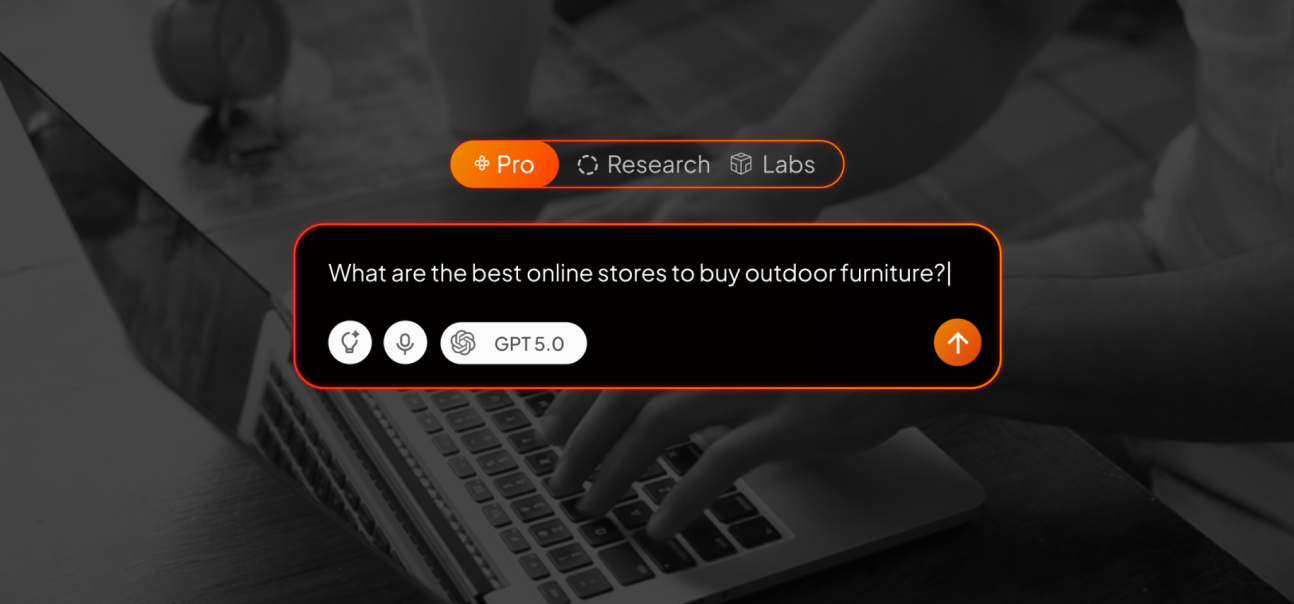
That's why, when we ask an AI to find a running shirt, book a hotel, or compare flight prices, we're not just delegating a search. We're delegating a conversation.
How an AI shops
Artificial intelligence looks at a screen the way we look at a storefront window. It reads text, interprets images, identifies buttons, fills out forms, adds products to a cart, and evaluates alternatives. All of it happens in seconds.
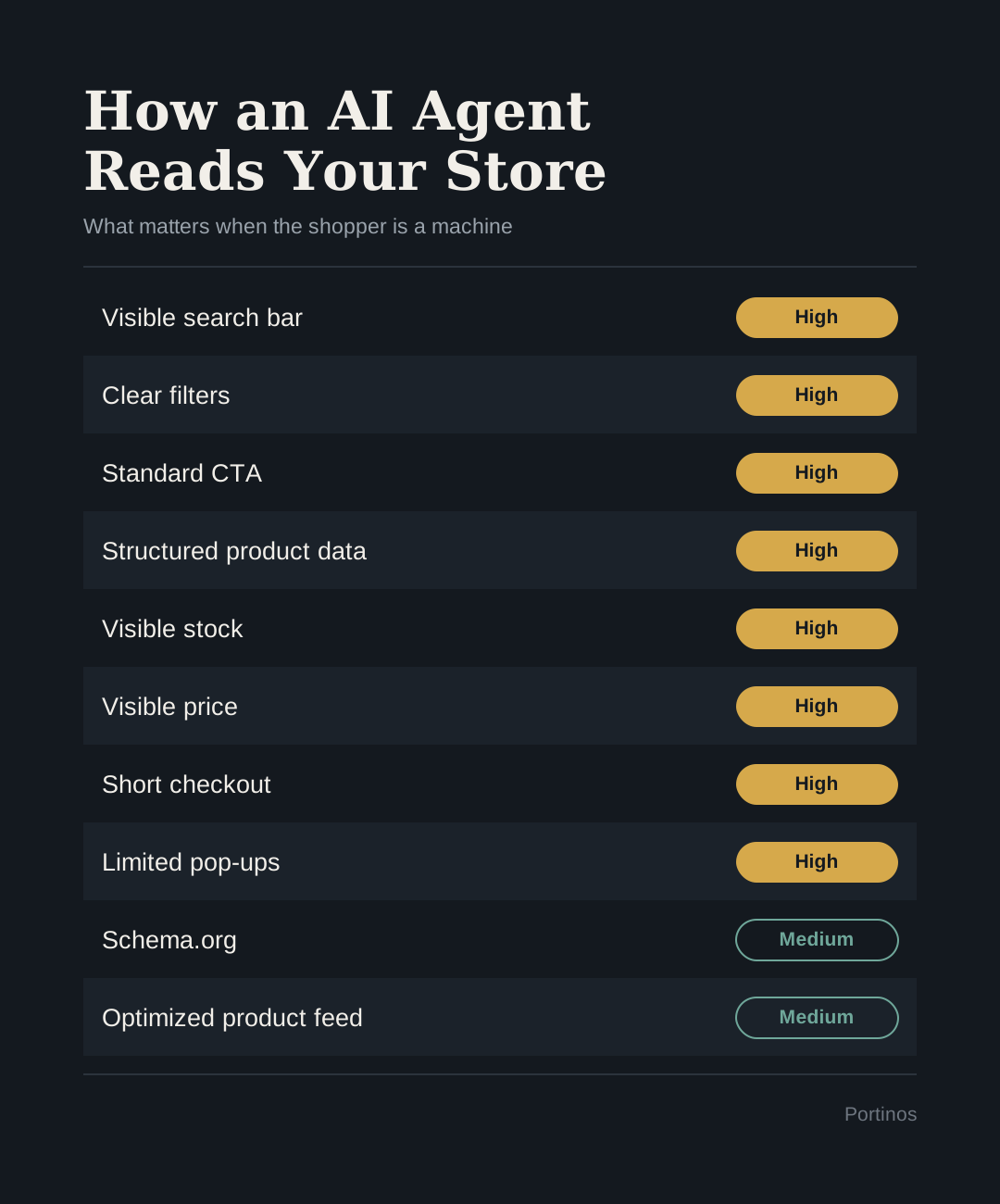
The behavior turns out to be surprisingly similar to that of a shopper in a mall. The difference is that it processes hundreds or thousands of variables simultaneously.
Being understandable to machines
For years, companies worried about being well positioned in front of the human eye.
Then they learned to be well positioned in front of Google.
Now a new stage begins: they must be understandable to artificial intelligences.
The old supermarket shelf still exists, but it has changed shape. Today it's also a website. It's a product page. It's a technical description. It's a correctly tagged image. It's a digital experience free of unnecessary friction.
When a website is cluttered with pop-up windows, intrusive messages, coupons that keep appearing, or confusing processes, the problem doesn't only affect people. It also makes it harder for intelligent agents to interpret what's relevant and what's noise.
A good digital experience is no longer just about pleasing the human user. It's also about making the dialogue easier for the machines that will act on that user's behalf.