Every year, the tech editors at Time magazine put together a list of the 25 new products that contribute to a better, smarter, and (in some cases) more fun world. This year's edition includes a shelter that can be shipped in 4 hours and the sneakers Marty McFly wore in Back to the Future.
In previous rankings, the magazine has selected inventions ranging from smart rings to a sensor that detects gluten particles. For us, these seven creations stand out in this year's edition.
All-terrain shelter — Co-developed by Better Shelter (Sweden), UNHCR, and The IKEA Foundation (Netherlands)
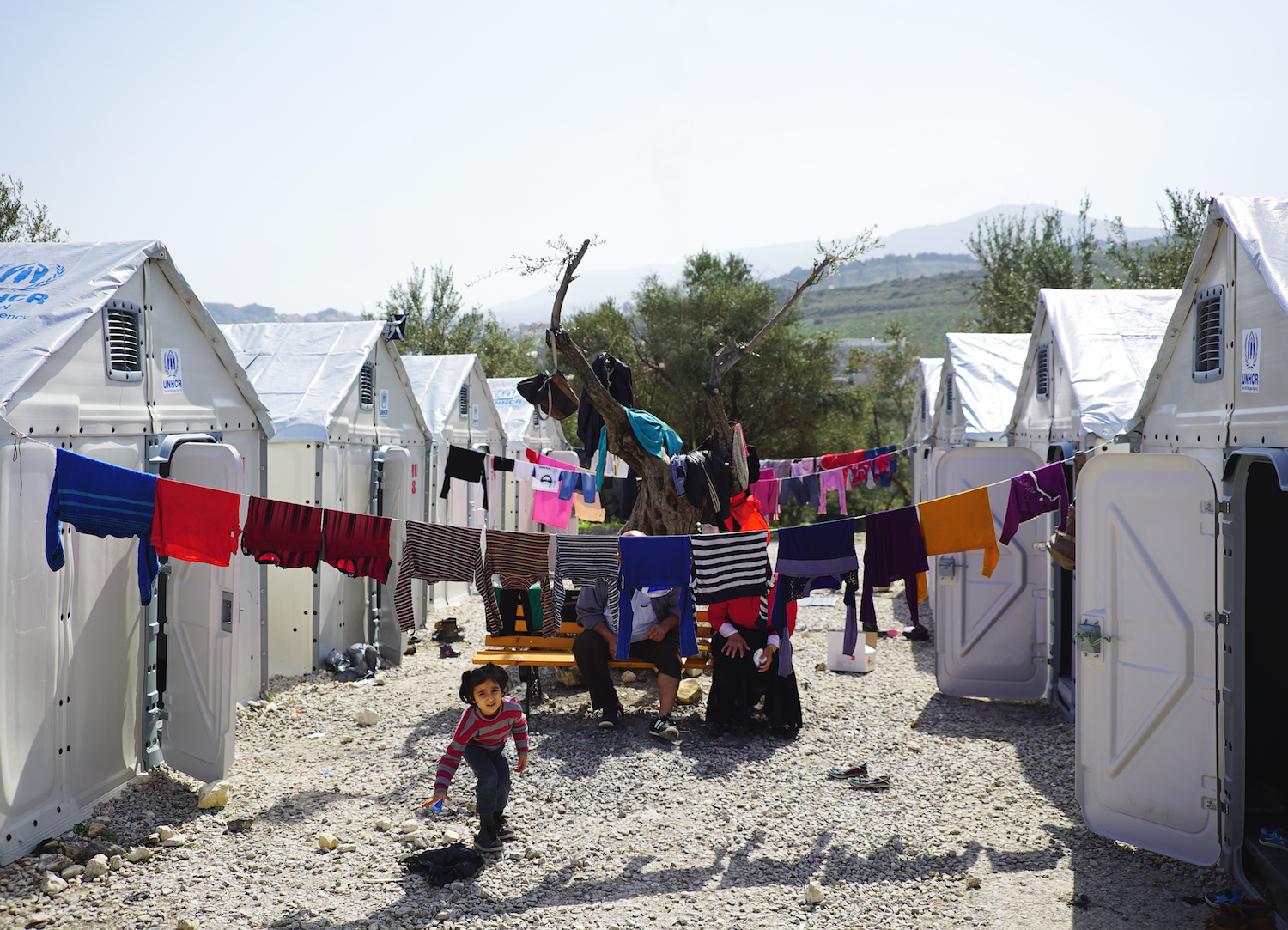
Better Shelter is a social enterprise that develops temporary housing for people displaced by natural disasters and armed conflict. According to Time, the houses include lockable doors, solar panels, and can be shipped in under four hours. They can house 5 people, are made up of 68 unique parts, take 4 to 8 hours to build, weigh 169 kilos, and measure 17.5 square meters. Thanks to UNHCR, more than 16,000 units have already been sent to refugees and agencies around the world, who have turned the structure into hospitals, reception areas, and more. In Greece, for example, several shelters were joined together to create a kindergarten. IKEA has said it is working on improving its flexibility so it can adapt to more needs.
Solidarity bracelet for kids — By UNICEF and Ammunition (United States)
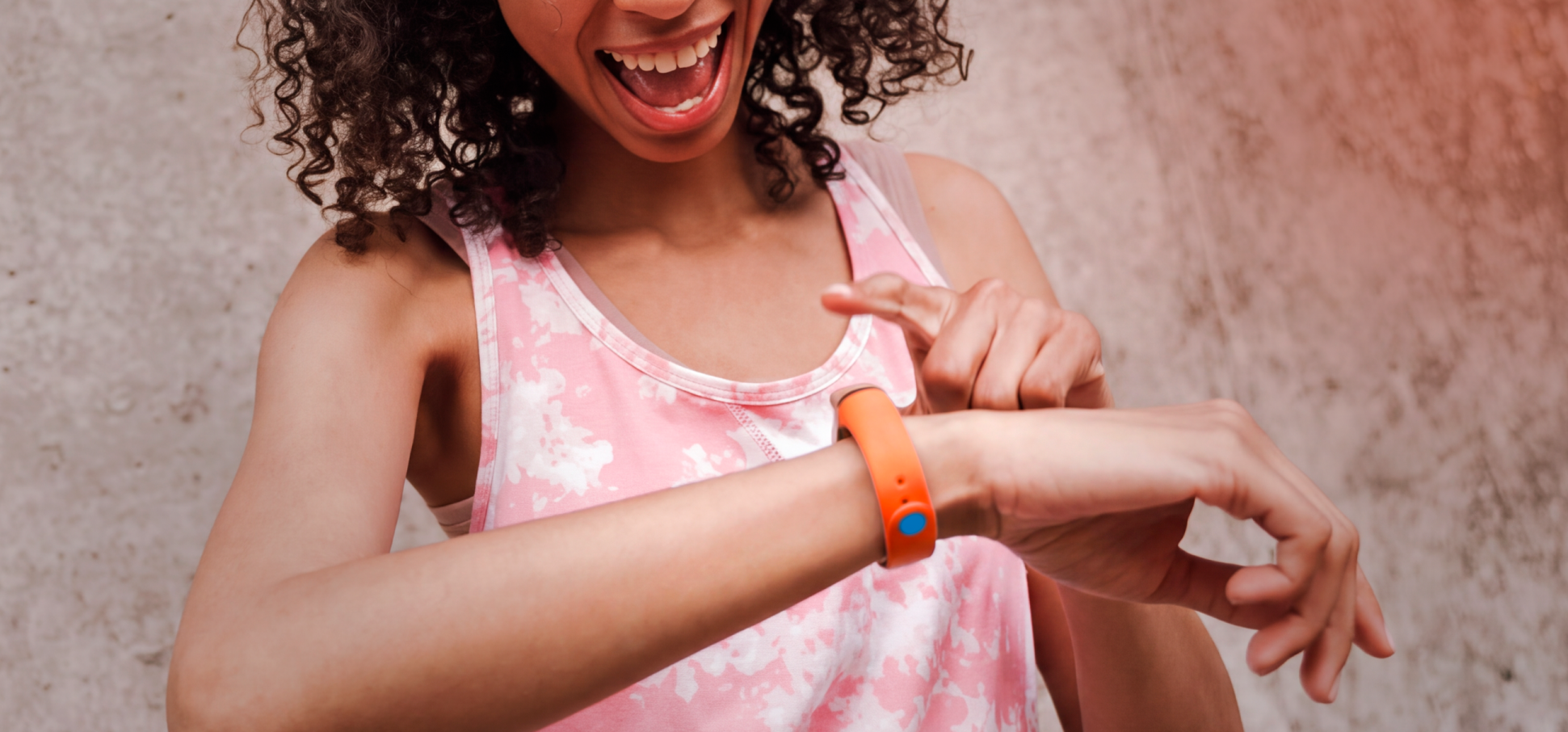
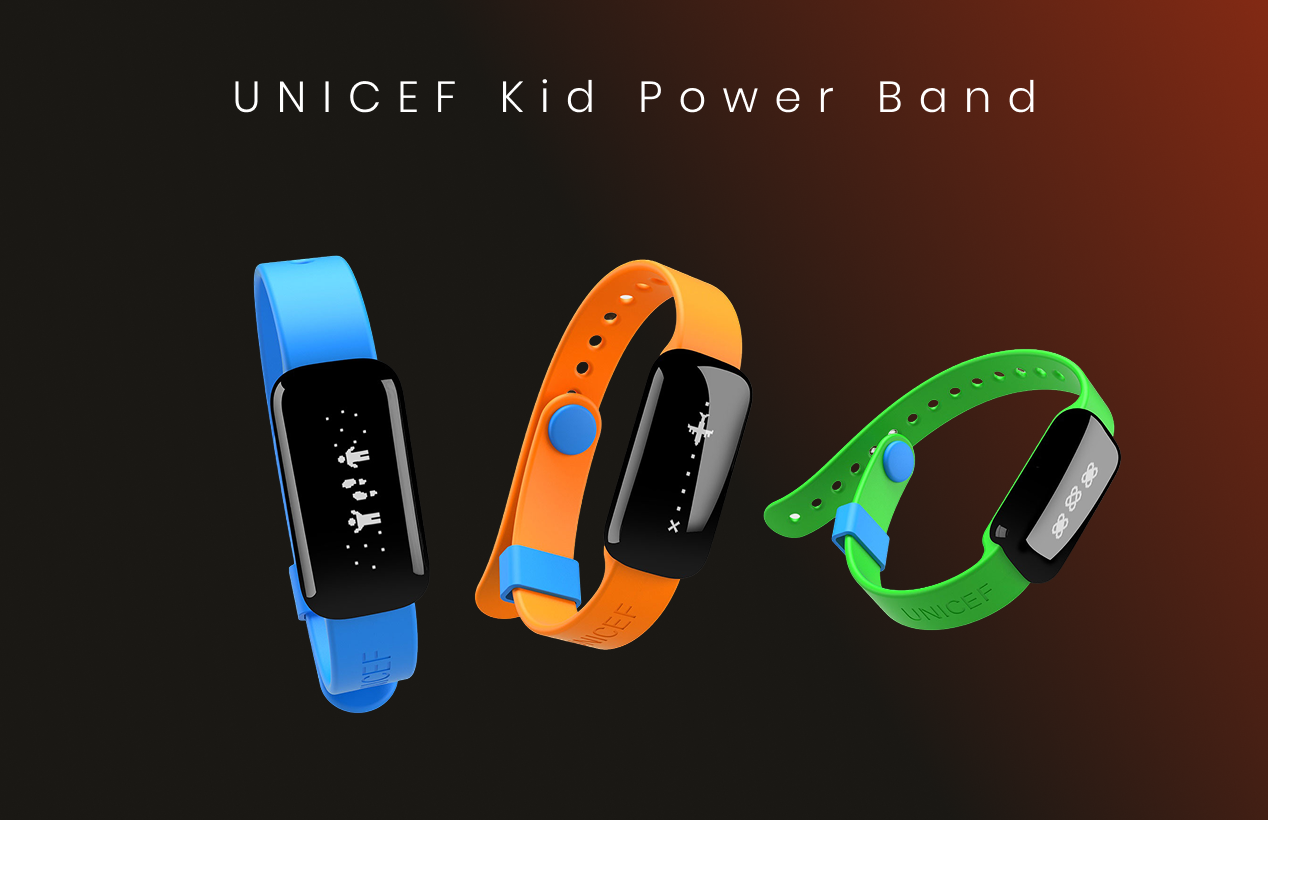
1 in 4 American children doesn't get enough exercise, and 1 in 4 children worldwide doesn't get enough food. UNICEF's Fitbit-like Kid Power Band, designed by Ammunition, tackles both problems at once. Its mobile app encourages kids to be physically active with videos featuring stars like Pink and Alex Morgan. Once they hit their goals, they earn points that translate into real food packages that UNICEF sends to malnourished children around the world (funded in part by device sales). The band "lets kids feel like they can change the world," says Rajesh Anandan, one of its creators. Since the Kid Power Band's soft launch in 2014, participants have walked more than 7 million miles to feed over 30,000 severely malnourished children.
A bike helmet that folds — By Jeff Woolf (United Kingdom)
According to statistics from Luchemos Por la Vida, only 18% of Argentine cyclists were wearing helmets as of February 2013. To improve that statistic, Morpher was born, a helmet made from interlocking plastics that is just as strong as other products (it meets all mandatory safety requirements) but flexible enough to fold almost completely flat. The creation of English cyclist and engineer Jeff Woolf raised $300,000 in its first Indiegogo campaign and is now getting ready to hit physical stores. In the medium term, Woolf wants to create versions for skiing, skateboarding, hockey, and other sports.
Self-lacing sneakers — By Nike (United States)
After six years of interdisciplinary work, Nike is finally launching self-lacing sneakers, like the ones Marty McFly wore in Back to the Future. The sneakers have sensors that detect the exact moment the wearer puts them on. That's when they lace themselves up, and thanks to two side buttons, the tightness can be adjusted. According to Media Trends, the technology used in the HyperAdapt 1.0 can be extended to the rest of the brand's sportswear, so it's not out of the question that new self-adjusting garments could be launched down the line. The Nike HyperAdapt will be available at select stores starting November 28 for the modest sum of $720.
Cutlery and plates adapted for dementia — By Sha Yao (Taiwan)
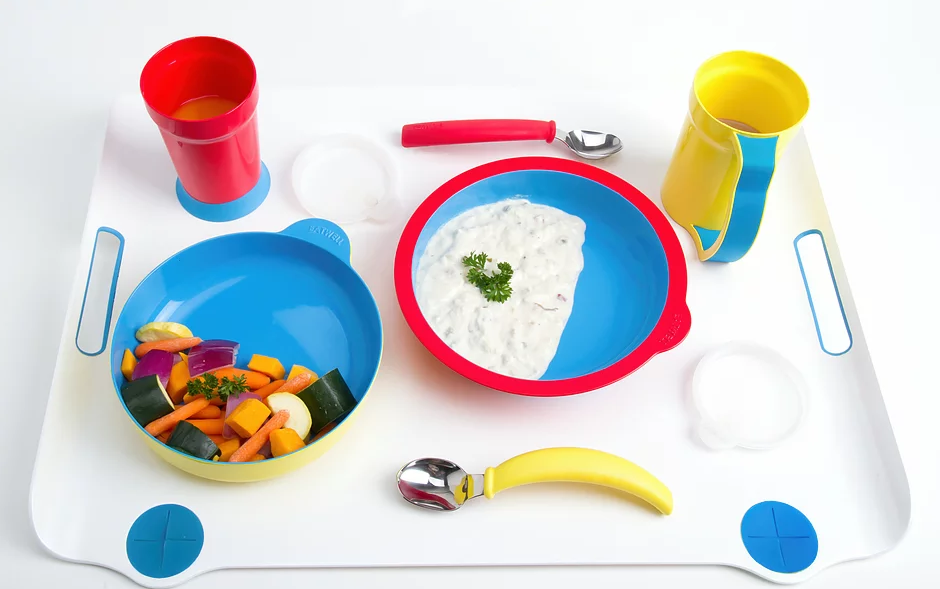
Industrial designer Sha Yao created a set of cutlery and plates that make mealtime easier for people with Alzheimer's and other cognitive and physical impairments. The set has more than 20 unique features, including: high-contrast colors that stimulate appetite and help distinguish food from utensils; specially curved spoons that allow for smoother movements; and spill-resistant designs that prevent accidents. Sha Yao was born in Taiwan but currently lives in San Francisco (United States). Her creation, inspired by her great-grandmother, who suffers from Alzheimer's, won first place at the 2014 Stanford Design Challenge.
Life-saving sweet potatoes — By The International Potato Center (Peru) and HarvestPlus (United States)
Vitamin A deficiency affects more than 43 million children under age 6 in sub-Saharan Africa. This deficiency makes them vulnerable to blindness, malaria, and other illnesses. To combat it, scientists at HarvestPlus and CIP researched and cultivated biofortified sweet potatoes rich in vitamin A. "The sweet potato crops that predominate in Africa have white or yellow flesh and low levels of provitamin A. Orange-fleshed varieties, on the other hand, are one of the least costly sources of provitamin A, since they contain it in abundance and make it available year-round. To date, more than 40 sweet potato varieties, high in both provitamin A and dry matter, have been introduced in sub-Saharan Africa," they explain. Cooked orange-fleshed sweet potato contains between 1,170 and 1,620 retinol activity equivalents (RAE) per 100 g, and is estimated to provide 25% to 35% of the recommended daily vitamin A intake for a preschool-age child.
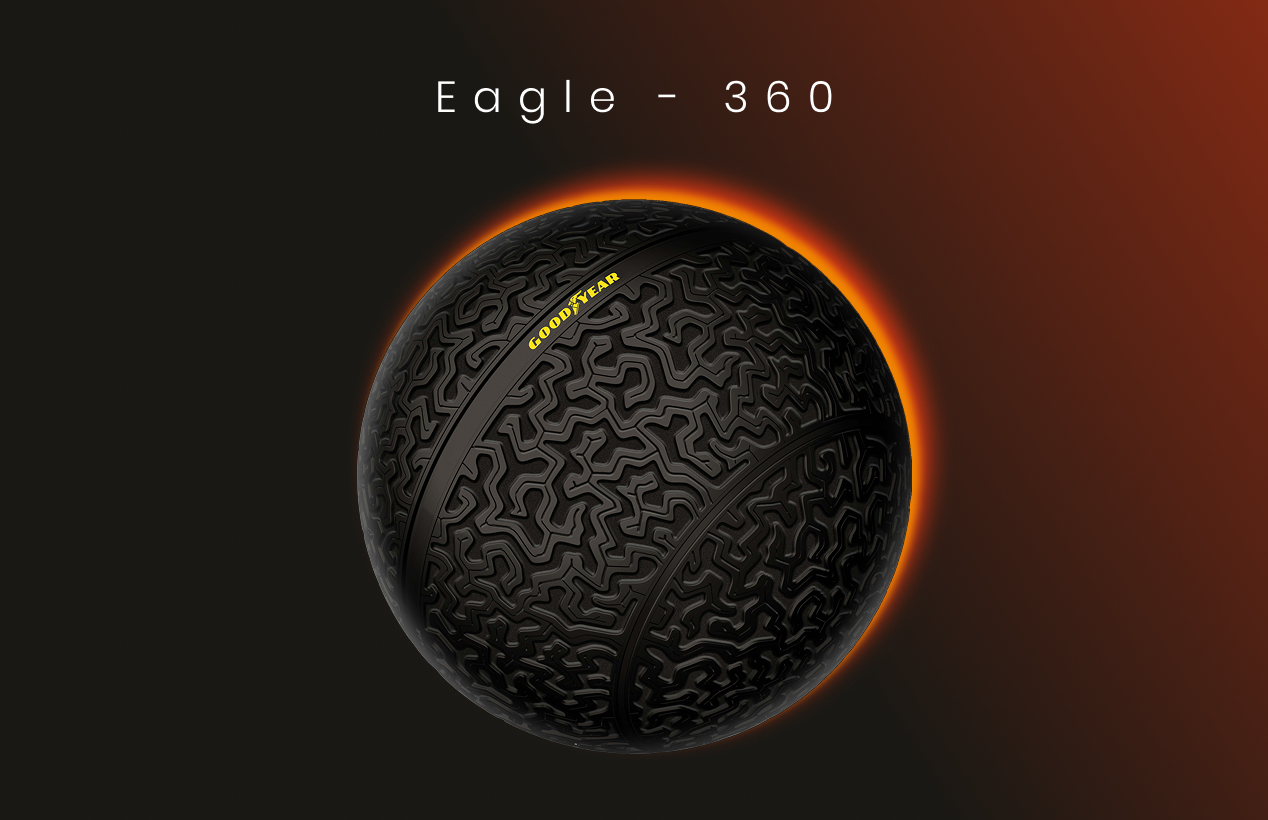
The Eagle-360 prototype tire — By Goodyear (United States)
Goodyear's Eagle-360 is a spherical concept tire that, thanks to its design, will allow self-driving vehicles to improve their maneuverability and connectivity.
"As driver interaction and intervention in autonomous vehicles keeps decreasing, tires play a much more important role, since they're the main point of contact with the road," said Joseph Zekoski, Goodyear's vice president and chief technical officer. "While the Eagle-360 is a prototype for the future, it represents an essential part of Goodyear's innovation strategy and its vision for smart, safe mobility," he concluded.